Mikhail Vrubel’s House in Kyiv: The Ukrainian Traces of an Artist
A few days ago, I stood in Kyiv, in front of the house of an artist whose painting changed my life. I wrote about this last year, and again this year.
I was a small girl the first time I stood in front of Vrubel’s Demon Seated. I understood nothing then about art history or national labels. The painting only touched something in me for which I had no name yet. Today I know that art can carry human experience so deeply that even a child can recognize it. And sometimes it takes a whole life to unfold.
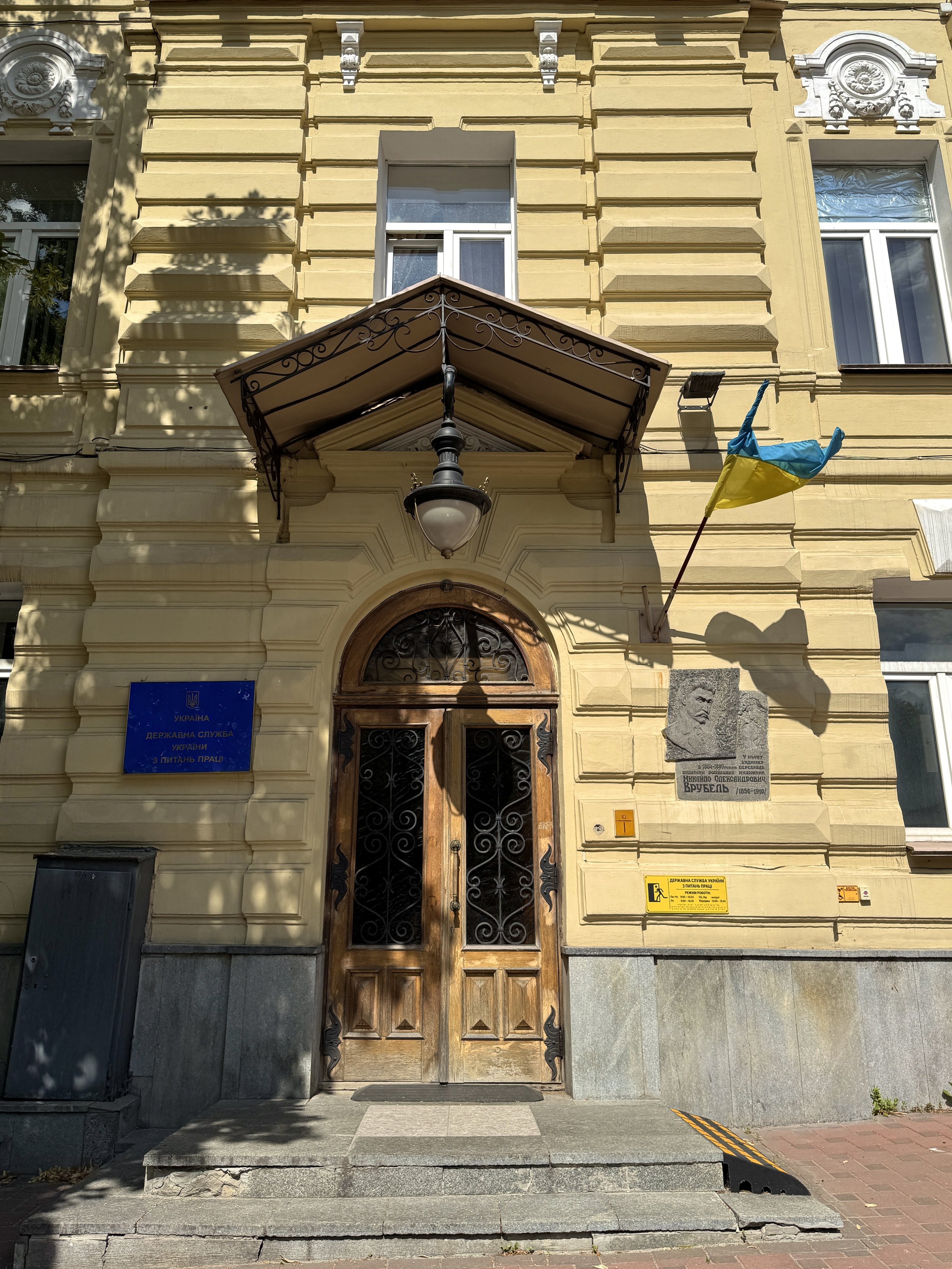
A detail of an old building on Andriivskyi Descent in Kyiv, Ukraine. A memorial plaque on the façade marks the house where Mikhail Vrubel lived and worked.
In front of this house, the essays I had written about my homeland returned to me. I had written about Malevich. About Kyiv. About my little cousin, who lives there with his fiancée. Except by now, she has become his wife. So I had to return to my essays and change the word “fiancée” to “wife.” A small biographical correction. Almost nothing.
And the deeper I moved through these stories, the more often I encountered artists I had written about because I found them first through their work, and only later through their origin. Malevich. Clarice Lispector. Vrubel in Kyiv. Names that travel through different languages and countries. Names claimed by several national histories. Names where origin is never a simple category.
In one of my essays, I had quoted Clarice Lispector because a sentence of hers reminded me of the demon. I hadn’t originally read her because she was born in Ukraine. I came to her through this passage:
They sat in silence.
- I’ve never spoken this much, said Lóri.
- With me you’ll speak your whole soul, even in silence. *
Through this idea, that a soul can speak even in silence. Only later did I learn that her own story, too, came from flight, displacement, and a birth in a torn country.
None of this feels light now. These aren’t footnotes hung on great works to bring them closer to oneself. They show how often Ukrainian history stood on foreign shelves. How often a country was artistically present while its voice was filed under other names.
Creativity was there. But its free expression had historically been trained into caution. Many artists lived in real exile, others in exile of the mind. And still, this land was never poor in artistic reality.
What once read like a biographical footnote now appears to me as a trace of a collective experience: a region caught between cultural attributions, and still producing images, books, voices, and forms that go on working.
By the time I corrected the sentence, she was no longer his fiancée. She was his wife. Even the facts kept moving while I wrote about what stays.
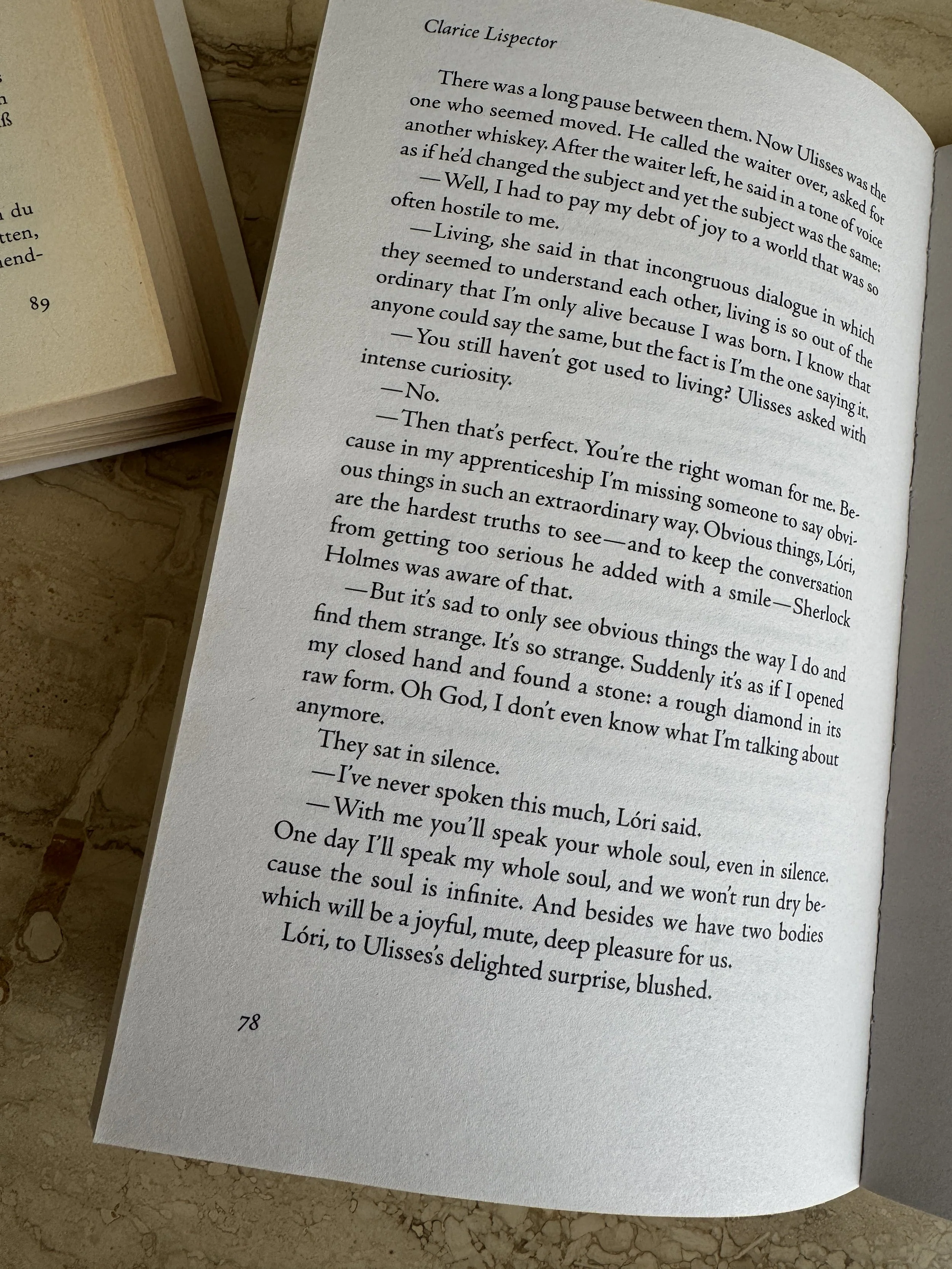
‘With me you’ll speak your whole soul, even in silence.’ - An Apprenticeship or the Book of Pleasures, Clarice Lispector, p. 78
*Clarice Lispector, An Apprenticeship or The Book of Pleasures, translated by Stefan Tobler, Penguin Modern Classics, Penguin Books, 2021.