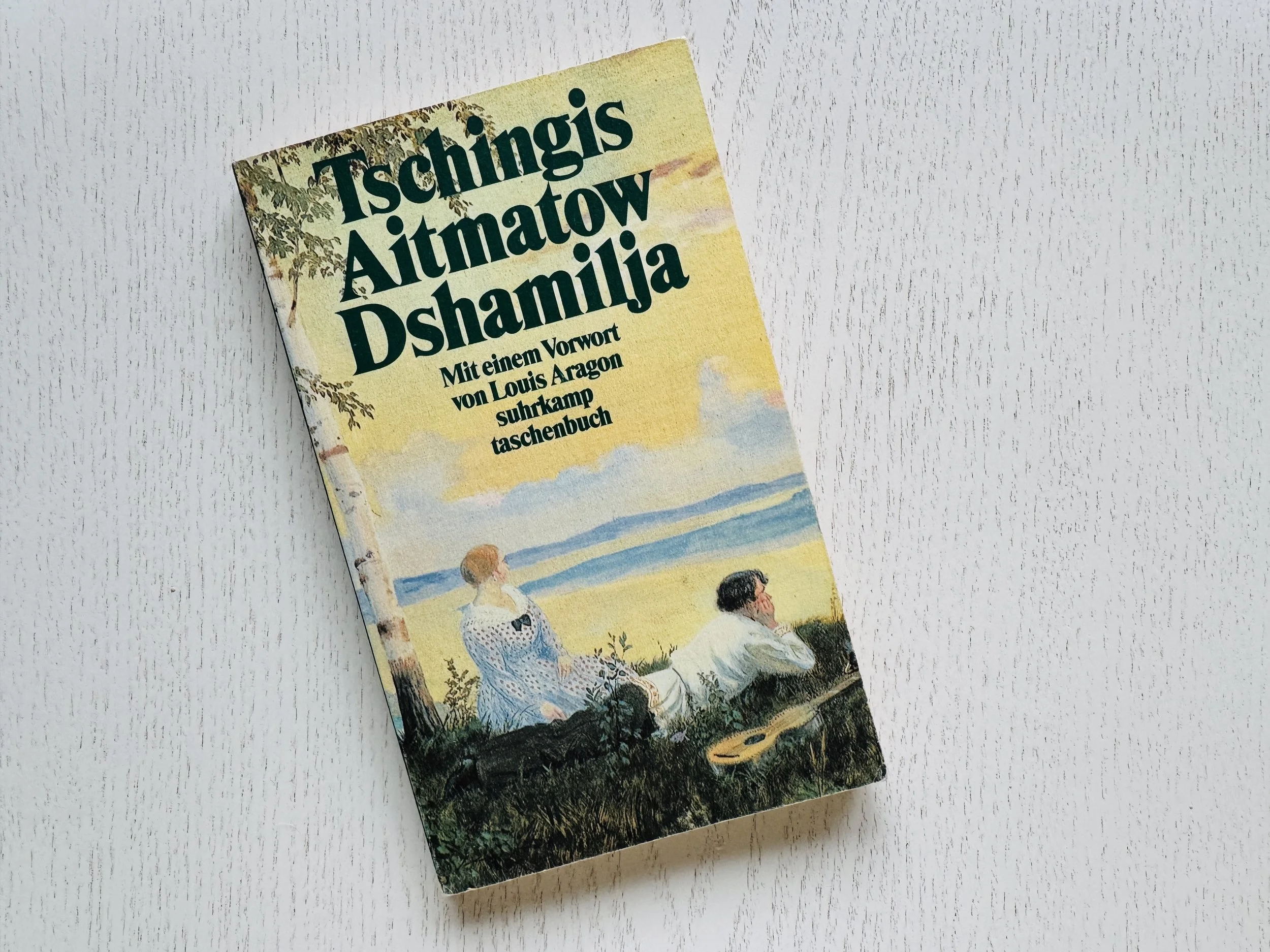
For years, my mom wanted me to read this book. For years, I refused.
The book had done absolutely nothing wrong, apart from looking like required reading, and I grew up in a country that required a great deal. My mom recommended it every year, the way mothers from our part of the world recommend a warm jacket. But it looked as if it had spent the seventies in the waiting room of a Soviet railway ministry, between the timetable and a ficus that had given up. For years the book was its own worst advertisement.
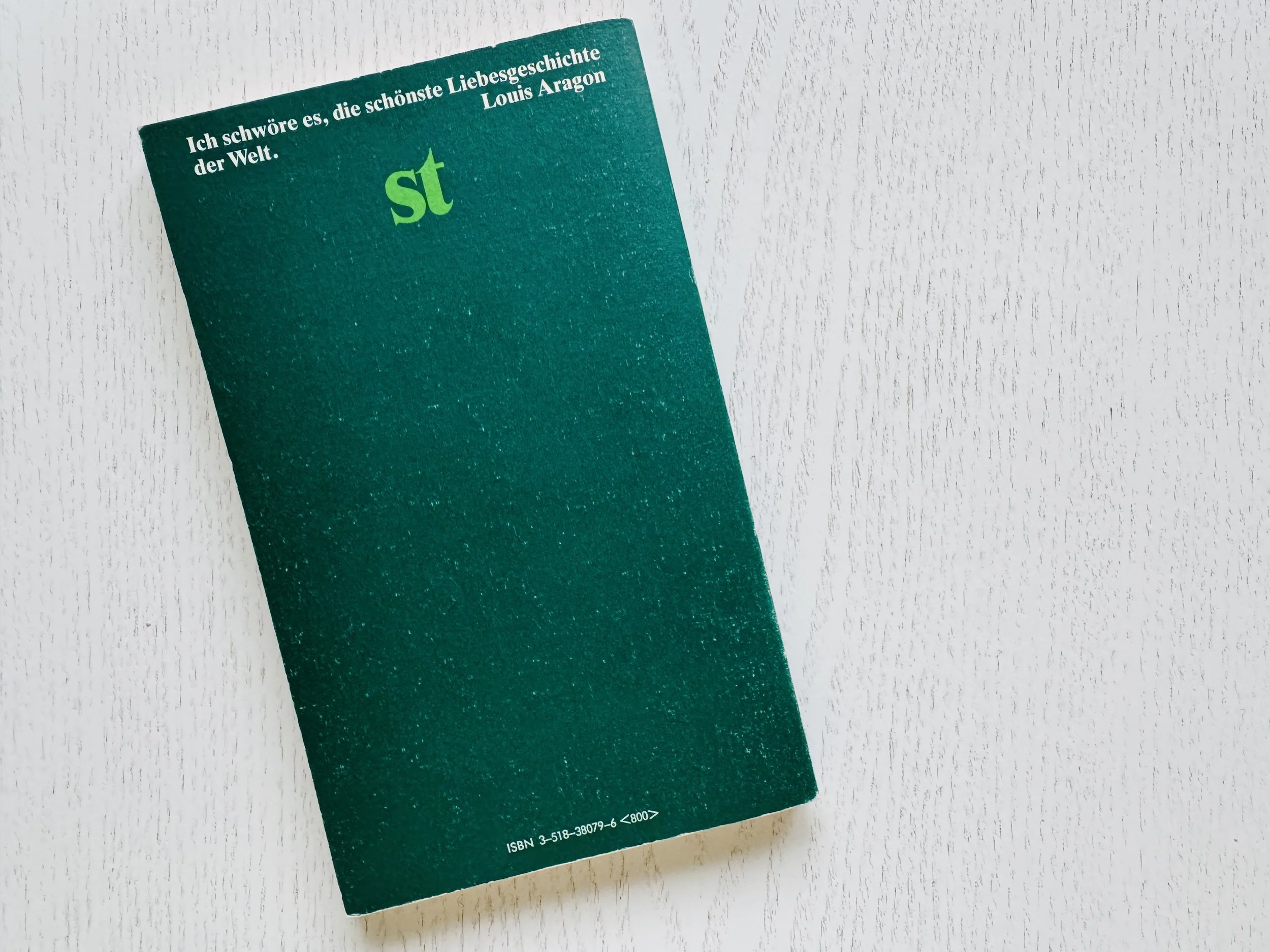
On top of that, the back cover made matters worse by promising the most beautiful love story in the world. A claim so modest that I became suspicious. I know a Soviet superlative when I see one. Where I grew up, everything was the best in the world. Five-year plans in four years, the ballet, the queues. We were also “the most well-read country in the world,” so my refusal made me a minor dissident.
‘I swear, the most beautiful love story in the world.’
CLICKBAIT, but make it Louis Aragon.

My mom, the author Chingiz Aitmatov, and our living room, in the 1990s.
I was looking for something else in the family library and found this photo. It wiped out whatever I came for, in a snap.
We have several copies of the book at home. We had the author there, too. In the photograph, my mom leans towards him. Long after he left, our living room still leaned his way.
A few hours after finding the photograph, I finally read Jamilia. And what can I say? The love story is almost the easy part. At the edge of this love, a boy grows up. And only (SPOILER ALERT!) after the lovers have gone does he become an artist.
The novella opens in front of a painting, a simple one in a narrow frame. Two figures walking away, already so indistinct that they seem about to walk out of the frame. What follows is the summer the painting came from. It was war. And harvest. The women stayed, and the old men, and the half-grown boys. And they transported grain to the railway station, load after load. And someone told one of them, fifteen-year-old Seit, that he now answered for Jamilia, the wife of his brother Sadyk, who was away at the front. He took it seriously. More seriously than anyone in the village had meant.
Jamilia waited for Sadyk's letter, expecting a whole future to step out of the envelope. When only his handwriting arrived, the disappointment ran longer than the letter.
Yet the community considered an unhappy marriage more respectable than a future of one's own choosing. Jamilia had other ideas about decency. Every family has a story that holds up its walls. Sooner or later, the artist hears the voice the family walled up inside. That summer a man came back whom the village had mostly forgotten. His name was Daniyar. An orphan who had left long ago, they gave him what you give someone who belongs to no one. A cart and the long road to the station. His leg dragged the memory of the war through the dust. The others saw an outsider in him. Jamilia saw a man in whom the universe was still whole. The war had broken his stride and, through some celestial oversight, spared his voice. On the way back at night, the carts empty, the steppe smelling of warm earth and wormwood, Daniyar began to sing. Seit and Jamilia listened until the village came into view again. Something beautiful happened in front of the boy and refused to die.
The next morning he needed paper.
Meeting one person can strech our capacity for love beyond that person, until it turns into attention to everything alive. The summer ended. Jamilia and Daniyar left the village together. As she walked away, she became, for good, the first person whose back showed a future.
‘Go, Jamilia, regret nothing, you’ve found your difficult happiness.’ Only unhappiness would have been easy.
For Seit, Jamilia became the image of a freedom that knows its price and acts anyway. She took one of his drawings with her. The other stayed behind and later fell into Sadyk's hands. He tore it up and called Seit a traitor. By now the boy knows a picture can take sides. Conscience begins as disobedience to a group that mistakes belonging for submission.
He never exhibited the painting the novella opens with, but he never took anything back, either. He decides to become an artist and paints the couple again and again. He stays loyal to his pictures, even though his family condemns them. He paints the two of them with the stubbornness of someone spelling out a name everyone else mispronounces. Repetition turns shock into practice. Anyone can see something beautiful once. The artist comes back the next morning with tools.
In the photograph, my mom is still leaning towards Aitmatov. An inspiring person doesn't simply lend us someone else’s aliveness. In their presence, our own comes within reach.
Louis had a point. I take it all back. Except what I said about the cover.
Question to Radio Yerevan: Is it true that Jamilia is the most beautiful love story in the world? Answer: In principle, yes. But first you have to get past the cover.